
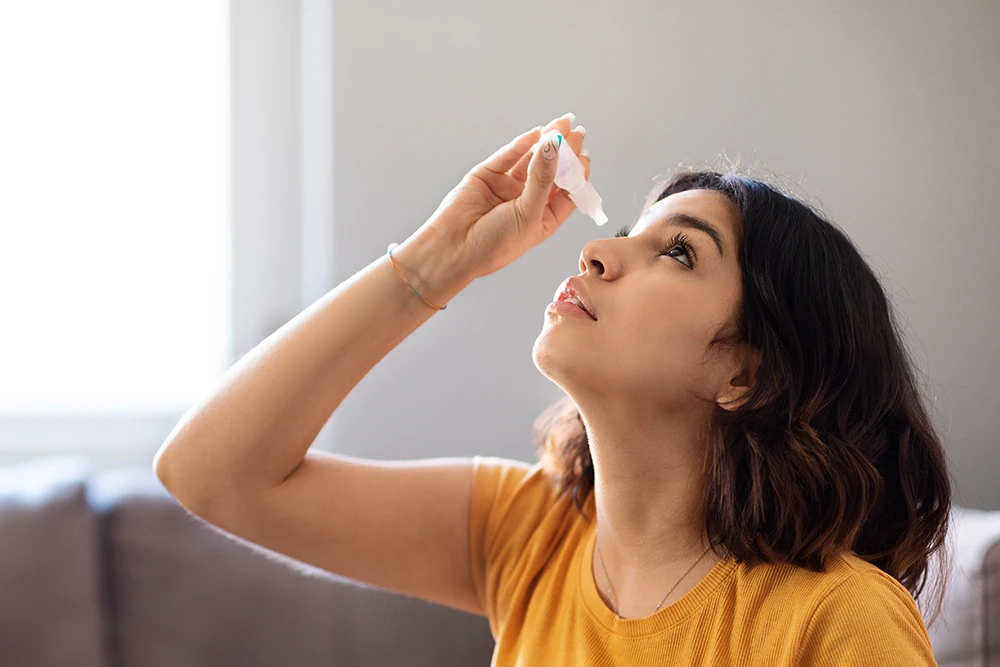
If your eyes often feel dry, irritated, watery, or tired, dry eye disease may be the reason. It’s one of the most common eye conditions, and it affects women more frequently than men.
Hormonal changes, aging, certain medications, and everyday habits can all increase the likelihood of dry eye in women, especially during periods of significant hormonal fluctuation.
At Bella Vista Family Eye Care in Rockford, we help patients manage dry eye with personalized care and advanced dry eye treatment options, including OptiLight IPL therapy. Here’s why women are more prone to dry eye and what can be done to help relieve symptoms.
What is dry eye?
Dry eye occurs when the eyes don’t produce enough quality tears or when tears evaporate too quickly. A healthy tear film is essential for comfort, clear vision, and eye protection.
When this balance is disrupted, symptoms may include:
- Burning or stinging
- Redness
- Grittiness or a sandy feeling
- Blurry or fluctuating vision
- Light sensitivity
- Eye fatigue
- Discomfort with contact lenses
Interestingly, excessive tearing can also be a sign of dry eye, as the eyes try to compensate for poor tear quality.
Why does dry eye affect more women than men?
Did you know that over 67 percent of patients with dry eyes are women?¹ There are a few reasons why this is the case:
Hormonal changes
Hormones can impact tear production and oil gland function. Shifts in estrogen and androgen levels can affect the meibomian glands, which help prevent tears from evaporating too quickly.
Women may notice dry eye symptoms during:
- Pregnancy
- Breastfeeding
- Perimenopause
- Menopause
- Use of hormonal contraceptives
Menopause is a very common time for dry eye symptoms to become more noticeable due to hormonal changes that affect tear stability.
Autoimmune conditions
Certain autoimmune conditions are more common in women and are closely linked to dry eye disease. In fact, women have up to a fourfold increased risk of developing autoimmune diseases compared to men,² which helps explain why dry eye is also more prevalent in women.
Women have a higher risk of developing the following conditions:
- Sjögren’s syndrome
- Rheumatoid arthritis
- Lupus
- Thyroid disorders
These conditions can decrease tear production and contribute to inflammation on the eye’s surface. When the immune system becomes overactive, it may mistakenly attack healthy glands that help maintain a stable tear film, resulting in ongoing dryness and irritation.
Since these autoimmune conditions are more common in women, they can play an important role in both the development and long-term persistence of dry eye symptoms.
Lifestyle factors
Everyday habits and environmental exposures can also contribute to dry eye symptoms, and some of these factors are more common in women. For example, eye makeup and skincare products, especially eyeliner, mascara, and creams applied near the lash line, can sometimes block the oil glands that help keep tears from evaporating too quickly.
Frequent makeup use or incomplete removal at the end of the day may also lead to irritation along the eyelid margin, which can worsen dryness over time.
Treatment options for dry eye
Dry eye treatment has advanced significantly in recent years and may include a combination of approaches based on the underlying cause.
Options may include:
- Lubricating eye drops
- Prescription dry eye medications
- Warm compress therapy
- Lifestyle and environmental changes
- Nutritional support
- In-office procedures
OptiLight IPL therapy for dry eye
Bella Vista Family Eye Care offers OptiLight intense pulsed light (IPL) therapy, an advanced treatment designed to target inflammation and improve the function of the meibomian glands.
These glands produce the oily layer of the tear film, which helps prevent tears from evaporating too quickly. When they become blocked or inflamed, dry eye symptoms often worsen.
OptiLight IPL uses controlled pulses of light around the eyes to reduce inflammation, improve gland function, and support healthier tear production.
At-home dry eye support products
In addition to clinical care, several at-home therapies can help manage symptoms and support long-term eye health:
- Heated eye masks (D.E.R.M. by EyeEco) help warm the eyelids and support healthy oil gland function, which can improve tear stability and reduce evaporation.
- Omega-3 supplements (Nordic Naturals) may help support tear quality and reduce inflammation associated with dry eye disease.
- Artificial tears (Optase) provide fast, soothing relief by supplementing natural tears and improving surface moisture.
- Tea tree oil wipes and cleansers (Optase and Blephadex) help maintain eyelid hygiene and may reduce debris and bacteria along the lash line that can contribute to irritation and inflammation.
Find relief from persistent dry, irritated eyes
At Bella Vista Family Eye Care, our skilled eye doctor provides personalized dry eye evaluations and treatment plans tailored to each patient’s needs, including advanced options like OptiLight IPL therapy.
If dry, irritated eyes are becoming a regular issue, schedule an eye exam with our expert team today.
References: