
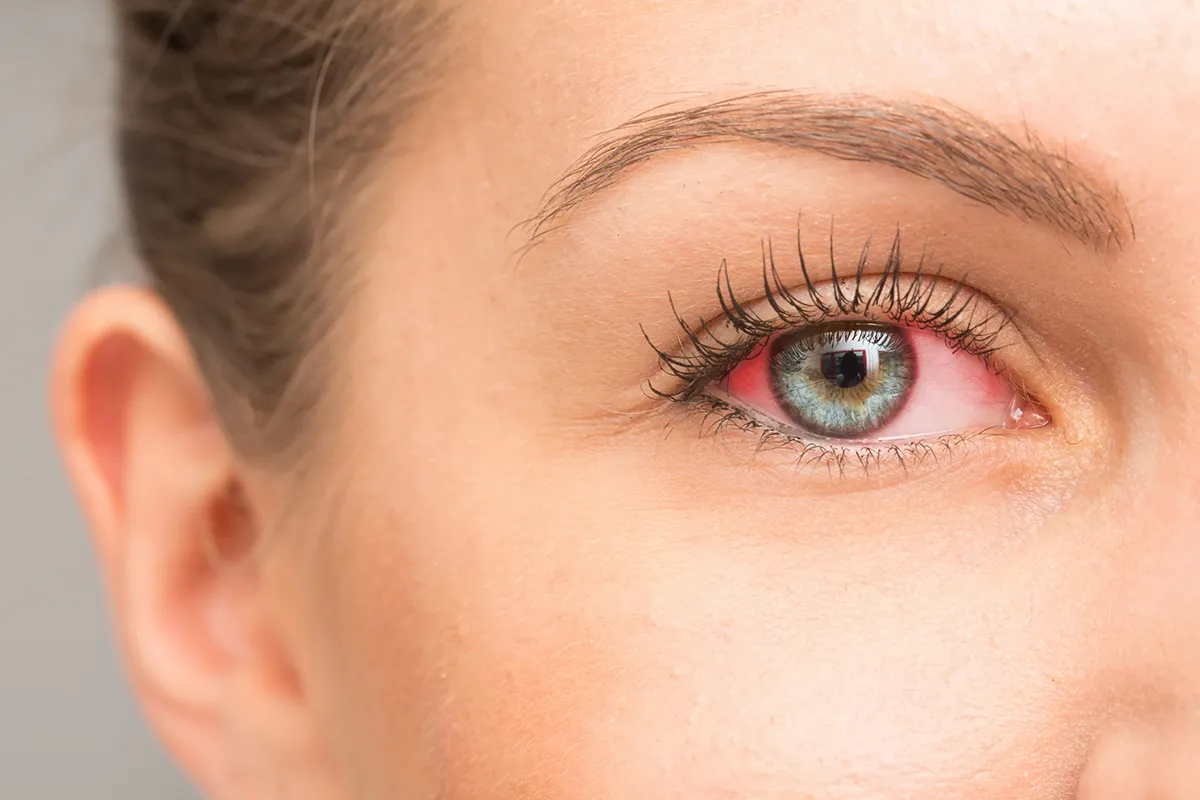
Dry, irritated eyes can sneak into your day and slowly become your “normal.” Maybe you keep a bottle of drops in every bag, or you’ve gotten used to blinking hard to clear your vision. However, some dry eye symptoms can signal inflammation, tear film imbalance, or eyelid gland issues that tend to worsen over time. A comprehensive eye exam can help pinpoint what’s driving your discomfort.
Dry eye isn’t just “a little dryness”
Dry eye disease is often a mix of factors: your tears may evaporate too quickly, your eyes may not produce enough tears, or the oil glands in your eyelids may be clogged. That’s why the symptoms can feel inconsistent.
If you’ve been powering through, it may be time to pay closer attention to what your eyes are telling you.
Dry eye symptoms you shouldn’t ignore
Some symptoms are just inconvenient, but others are a sign that your eyes need real evaluation and a more targeted plan. Watch for:
- Burning, stinging, or a gritty “sand in the eye” feeling that shows up most days
- Redness that lingers
- Watery eyes
- Blurred vision that clears when you blink
- Stringy mucus or crusting around the lashes
- Light sensitivity
- Eye fatigue
- Contact lens discomfort that’s new or worsening
- A feeling that something is stuck in your eye despite rinsing or using drops
Subtle clues that often get dismissed
Dry eye can also show up in ways that don’t scream “eye problem,” especially at first. People often mention:
- Needing to blink repeatedly to “reset” focus
- A pulling sensation at the corners of the eyes
- Makeup irritating the eyes more than it used to
- Symptoms that spike in certain environments
Those patterns are useful clues for your eye doctor because they can point toward evaporation, allergies, or eyelid gland dysfunction.
Why getting checked matters (even if you’ve tried drops)
Over-the-counter drops can help, but they don’t tell you why your eyes are dry. And if the surface of the eye stays inflamed, it can affect comfort, vision quality, and daily performance, especially with screens.
During a visit, your eye doctor can look at the quality of your tear film, your eyelids and oil glands, and the health of the cornea. That means recommendations are based on what your eyes actually need, not generic trial-and-error.
Lifestyle changes to help dry eyes
Treatment often includes simple lifestyle changes alongside in-office options or prescription therapy, depending on severity. Helpful adjustments may include:
- Screen habits: follow the 20-20-20 approach and make blinking intentional
- Environment tweaks: aim vents away from your face; consider a humidifier
- Warm compress routine: support oil gland function
- Hydration and nutrition: steady water intake and omega-3s may help some patients
- Makeup hygiene: replace eye makeup regularly and remove it gently and thoroughly
- Contact lens strategy: discuss lens type, wear time, or dry-eye-friendly options
Feel better, see clearer, and get back to your routines
You deserve eyes that feel calm and steady throughout the day. If your dry eye symptoms have become frequent, frustrating, or hard to ignore, schedule an appointment at Bella Vista Family Eye Care in Kent County to get answers and a plan that fits your life.